Table Of Content
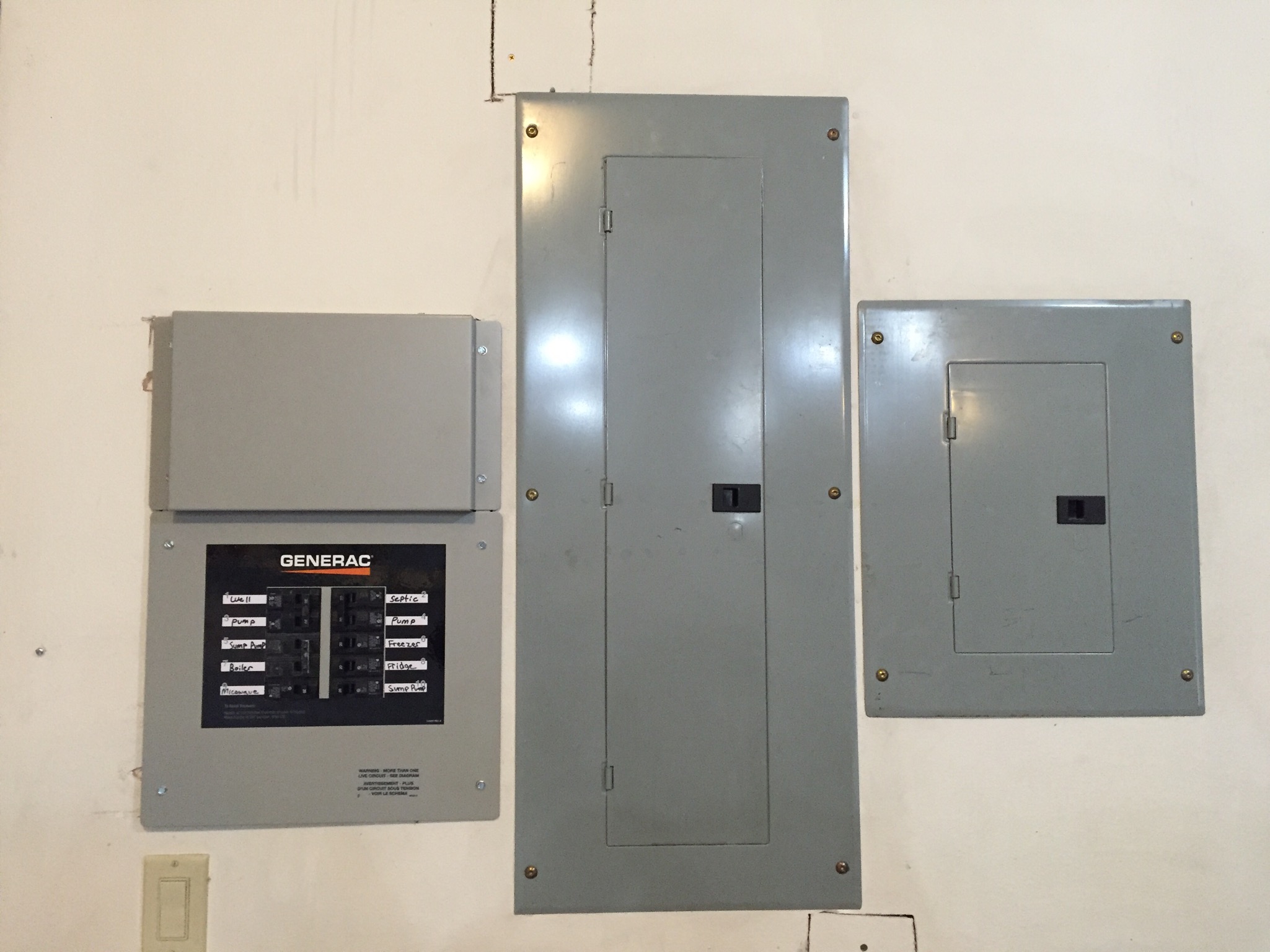
Please note that Local Pickup can only be scheduled online at this time. Whether or not each generator offered an electric start feature gained or lost a generator points to amount to 5% of the total ranking. When in need of temporary power for medical, heating, cooling or electrical reasons, Angi’s electricians can help. The best generator manufacturers produce a wide range of products, so it can be tricky to pick the right model. Finding the best generator for your home is just a matter of knowing what you’re looking for. This article will review seven of the most popular whole-house generators on the market this year.
Best Standby Generators
Known for their lower noise levels, quiet inverter generators are lightweight and easy to transport. They use an engine connected to an alternator to produce AC power and convert it to DC power. DC power can be stored, which makes an inverter one of the best types of generators for traveling in an RV, tailgating, camping or boating.
Price (20%)
The next option is a standby model—sometimes called a whole-house or home standby generator—that powers an entire house seamlessly and without frequent refueling. These models cost as much as $7,000 and require permanent installation. Home generators can be expensive to install, but they will last significantly longer than portable generators and will give you peace of mind that you and your family will be protected during power outages. Home generators have the largest power capacity of any type of non-industrial generator and are usually able to provide power to an entire home. While portable generators often average between 3,500 and 10,000 watts, home generators usually have a capacity of 10,000 to 50,000 watts, or even more.
BEST FOR SMALL HOMES
The goal to purchase the smallest generator that fulfills all your needs. It also depends on the frequency of power outages for which you will require a standby generator with a power output of around 20 to 22kW. The Cummins Power RS13A comes in both liquid propane and natural gas options, thus suitable for various households running on either type of fuel. Buying a whole house generator requires you to pay close attention to such specifications as the fuel type, power output, ease of installation and maintenance. You need to carefully consider how big your house is and the total wattage you need to power your home and all appliances. With these factors in mind, take a look at our picks and decide which one is best for you.
By Size
As if that’s enough, the unit sounds an alarm in case of a fuel leak before shutting down automatically, guaranteeing you safety. In the years between 2013 and 2021, the average power outage in the United States increased in duration from just over 3 hours to 5½ hours, according to the U.S. Portable generators should not be set-up in an indoor space, nor should they be placed near air conditioners or open windows, as the carbon monoxide exhaust can be deadly in enclosed spaces. Portable generators typically run on standard gasoline which is affordable and easy-to-acquire, but hard to store long term.
EcoFlow's scalable solar generator can power your entire home or just a weekend away - The Verge
EcoFlow's scalable solar generator can power your entire home or just a weekend away.
Posted: Tue, 09 Jan 2024 08:00:00 GMT [source]
They will then need to mark each one with a label that shows how many watts the item uses. For homeowners who live in an area that regularly loses power due to weather conditions, a whole-house generator can provide great peace of mind. Another factor to keep in mind when you consider wattage is whole-house generator sizing. More powerful generators have bigger engines, making them heavier, harder to transport and more difficult to install. High-power generators can also be more expensive, so you’ll want to balance your energy needs with your budget before you buy.
For a budget-friendly option, consider the Generac PowerPact 7,500 Watt Generator. Power output is significantly reduced, but it can keep up with essential items in the event of a power failure. Picking a generator depends mainly on the size of your home and what you wish to power.
How do I correctly size a generator for my home?
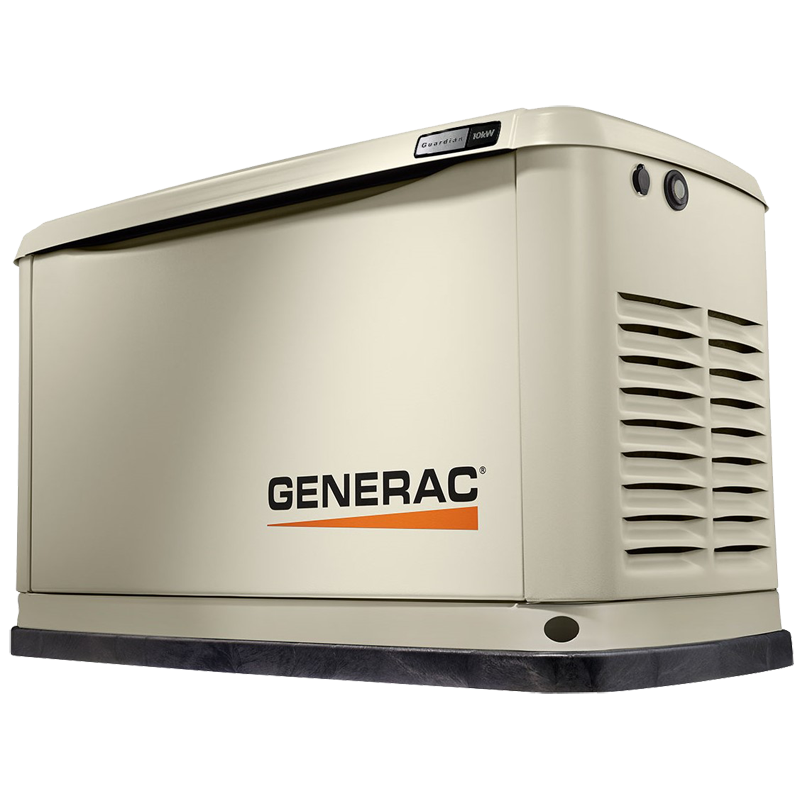
You should balance the generator cost with your budget to avoid overpaying for features you don't need. Powering a small home or RV with 3,000 to 4,000 watts is possible, but you will have to reduce your use of appliances and electronics. If you want your home to function like it normally does (without shutting off TVs, fans or Wi-Fi), a generator with a 20,000-watt output or higher is best. Like the Briggs & Stratton model, this generator is Wi-Fi-enabled and can be monitored from your phone. That test helps provide some peace of mind that your generator will turn on in an emergency. The Guardian 24kW is built to last for years with minimal maintenance.
To top it all, you will enjoy a whopping 10-year warranty and free technical support from Champion. National Fire Protection Association codes allow smaller generators to be a minimum of 18 inches from an exterior wall, but you should check local codes as they may have more specific requirements. Professional installers should know the local codes and help you plan the optimal placement for your generator as well as pull any necessary permits. Overload protection is a function of the generator system’s load management device. The availability and inclusion of the device in the purchase price was rewarded in our review. Consumer feedback is a crucial indicator of how a generator performs and the level of customer service provided by the company.
This system helps the engine handle high power loads and increased temperatures more effectively. Just be sure to regularly check for coolant leaks and top off fluids as needed. Natural gas generators need to be permanently connected to a home's natural gas supply; the generator can operate as long as the gas supply remains uninterrupted.
Generac also offers 24/7 customer service if you do have any issues, since the power always seems to cut out outside of business hours. The largest models we test deliver at least 10,000 watts of electricity, enough to power everything in an average home. Smaller models provide at least 5,000 watts, enough to power key household appliances, electronics, and systems in your home. They will, for instance, keep your refrigerator, air conditioner, and well pump running. The generator itself can’t do its job without the appropriate fuel, usually diesel, propane, or natural gas.
In the case of a generator equipped with an electronic start, you still need to manually start the generator to begin the flow of power. Some warranties also cover travel costs for a technician to come and service the generator, but this varies by manufacturer and model. The watts produced by a generator quantify the generator's ability to power whatever is plugged into it.
Each company was evaluated based on reviews over several public platforms and scored accordingly. Most standby home generators come equipped with several safety features designed to protect them from overheating and failing when you need them most. Once you’ve figured out your power needs, the next two major considerations are the physical footprint of the generator and the amount of noise it makes. Whether you have a small yard or many acres of land, you’ll likely need the generator near your home, so the size and sound matter. The Briggs & Stratton 10kW generator is the loudest per kilowatt on our list, likely due to its smaller size.




No comments:
Post a Comment